
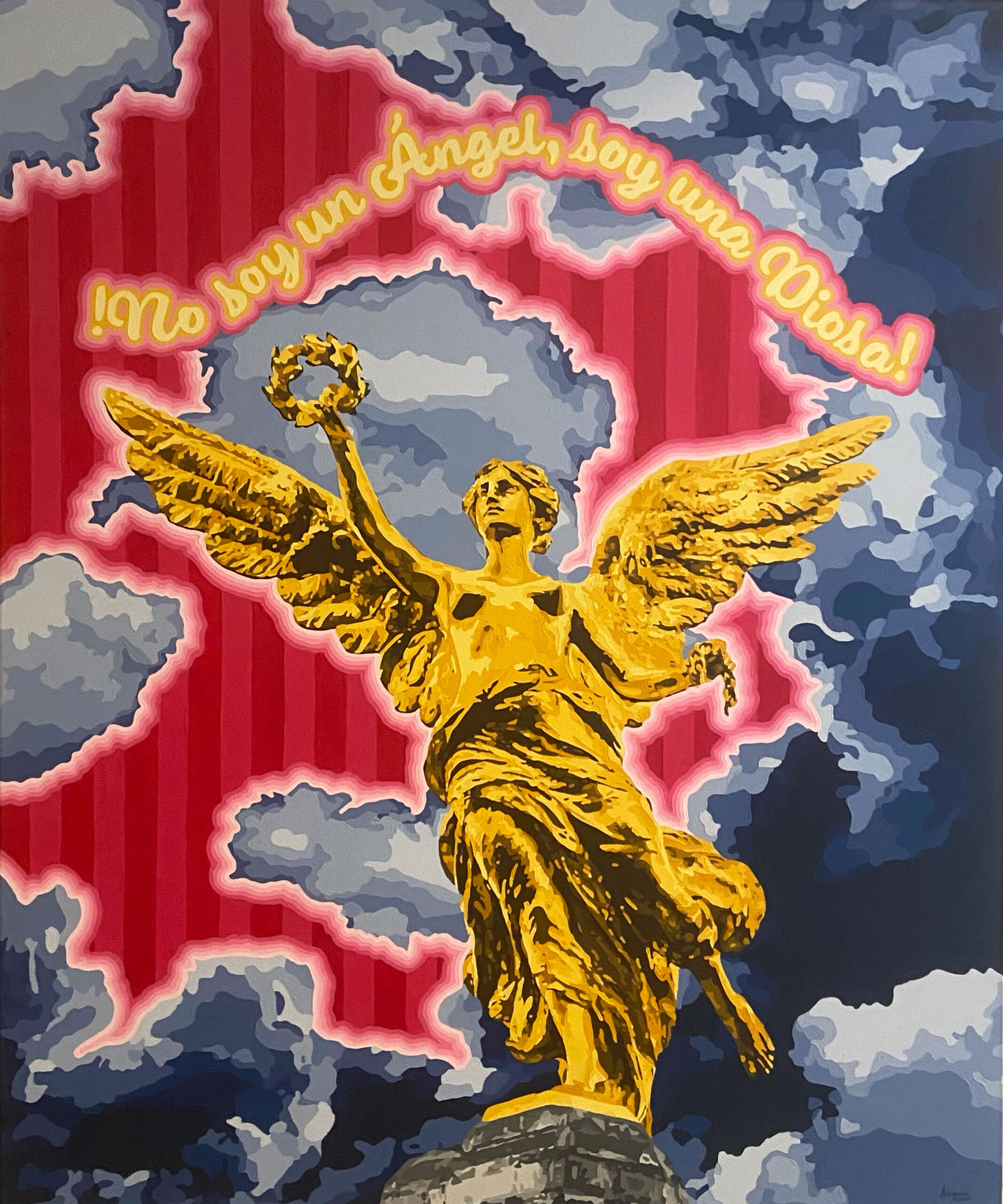
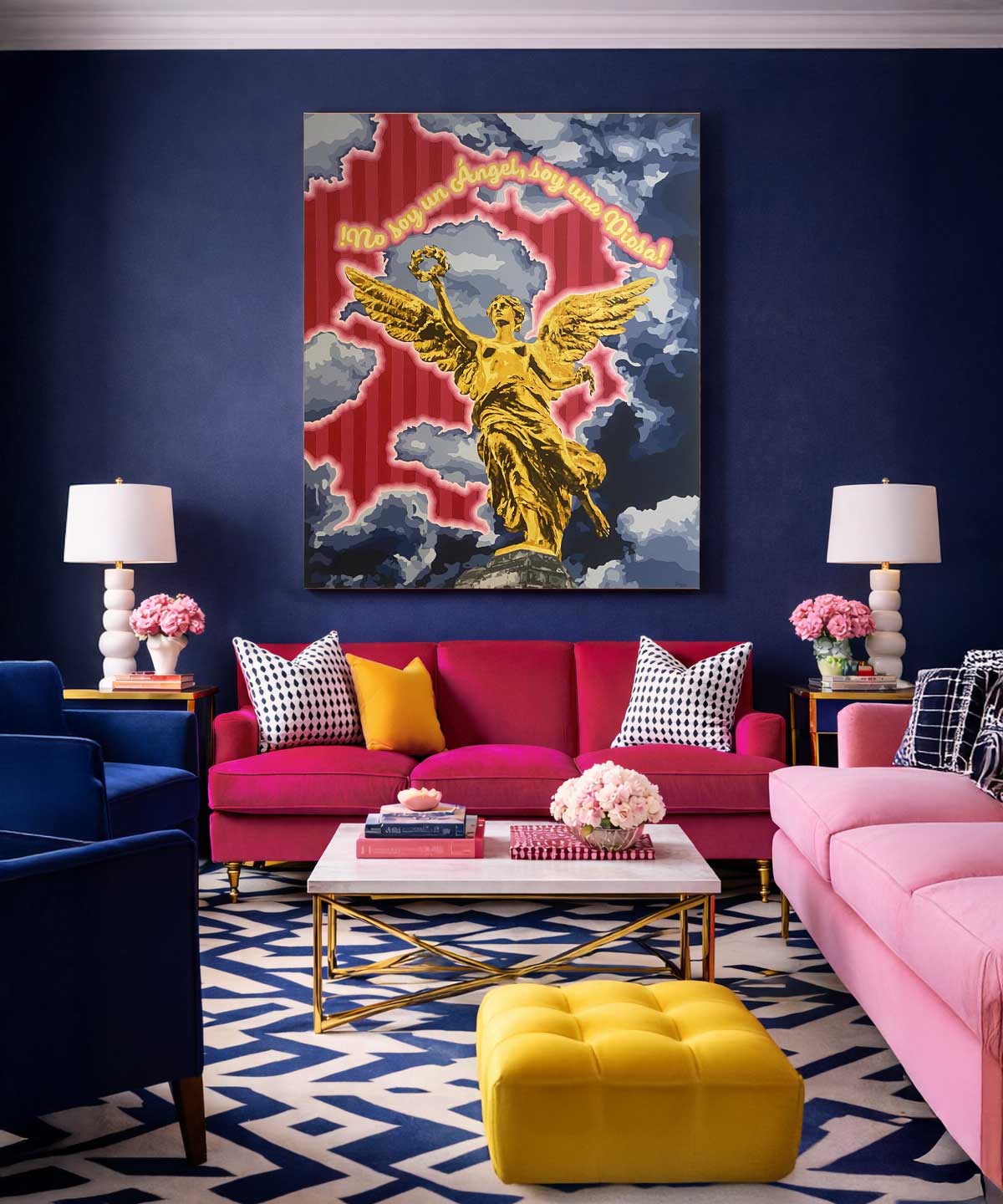
¡No soy un Ángel, soy una Diosa!
Adriana Maar
Year: 2025
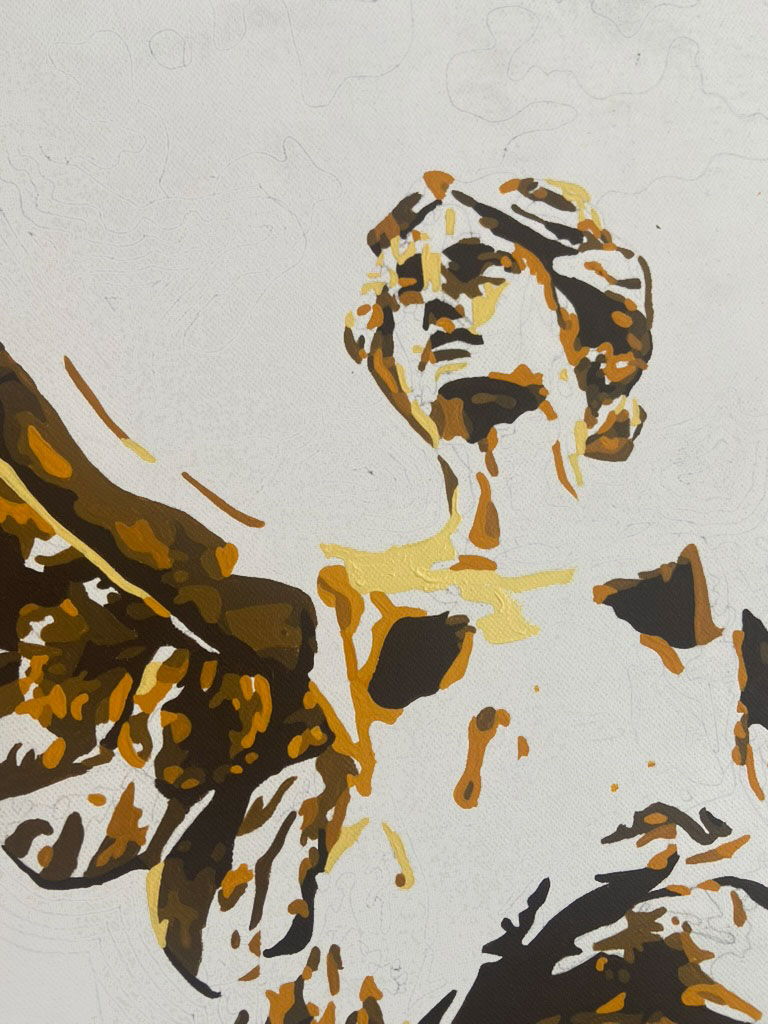
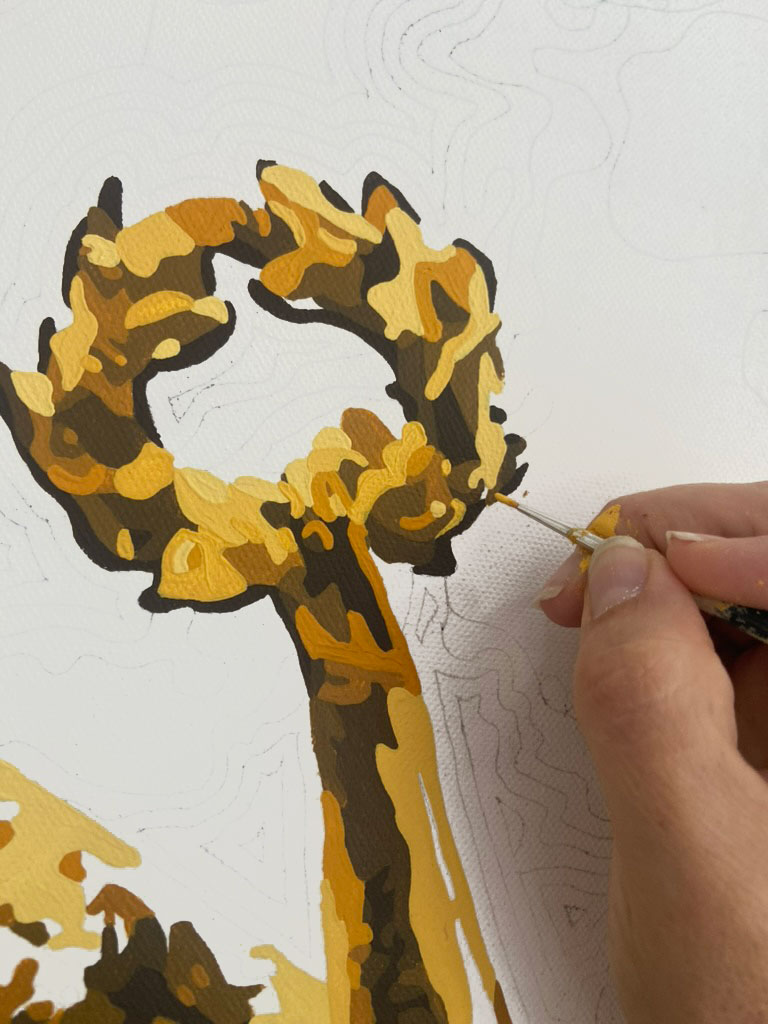
Method: Painting
Medium: Acrylic on canvas
Dimensions: 47.2 x 39.3 in / 120 x 100 cm
Weight 4.9 lb / 2.2 kg
Exhibitions: N/A
This artwork is available for sale on Saatchi Art.
- Original piece
- Certificate of authenticity included
- Ships worldwide
- Frame not included
Are you interested in a discounted (commission-free) purchase? Contact me
More about the artwork
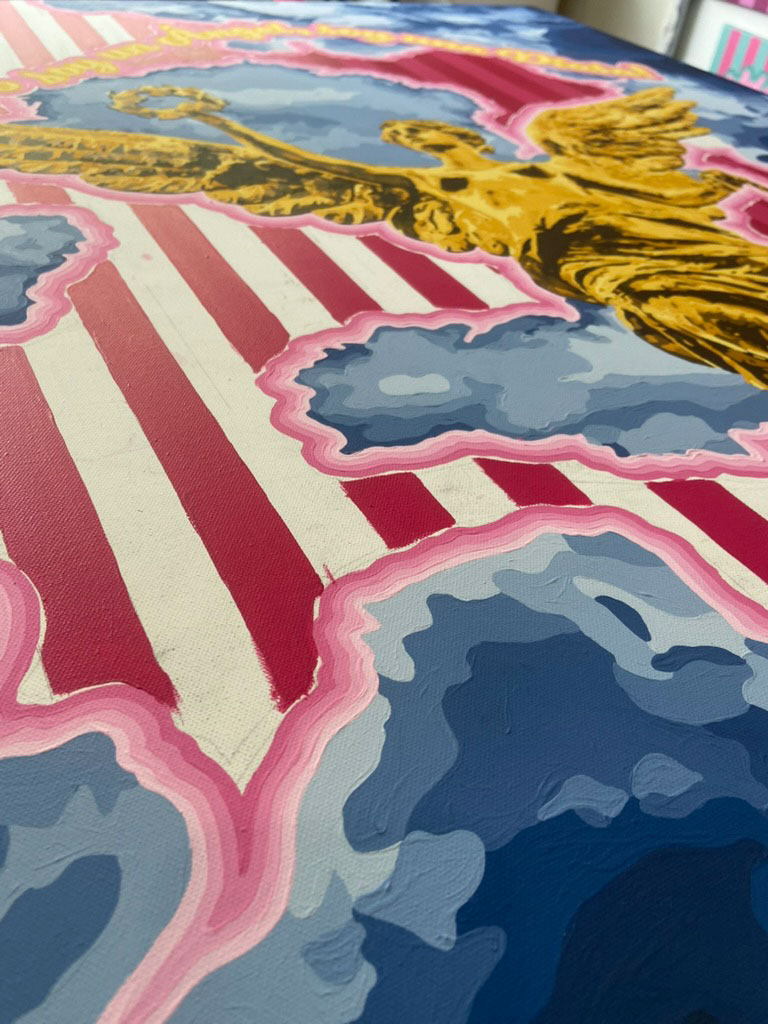
In ¡No soy un Ángel, soy una Diosa! (I’m Not an Angel, I’m a Goddess!), I start from a question that has followed me for some time now: why do we keep calling El Ángel de la Independencia of Mexico City an angel (-in masculine), when she is, in fact, Nike (greek: Νίκη, Níkē), the winged goddess of victory? This historical misnaming is not accidental. It reveals a long tradition of softening female power through language, symbolism, and representation. My work begins precisely there—by naming what has been strategically blurred.
Reinterpreting one of the most iconic monuments in Mexico City, I approach the figure not as an untouchable national symbol, but as a site of tension. The Ángel de la Independencia occupies a central place in the city’s visual and political landscape, yet her identity has been stripped of its original force. By reclaiming Nike’s name, I am not correcting a minor historical detail; I am questioning how femininity has been reframed to fit more acceptable, decorative, or passive roles within dominant narratives.
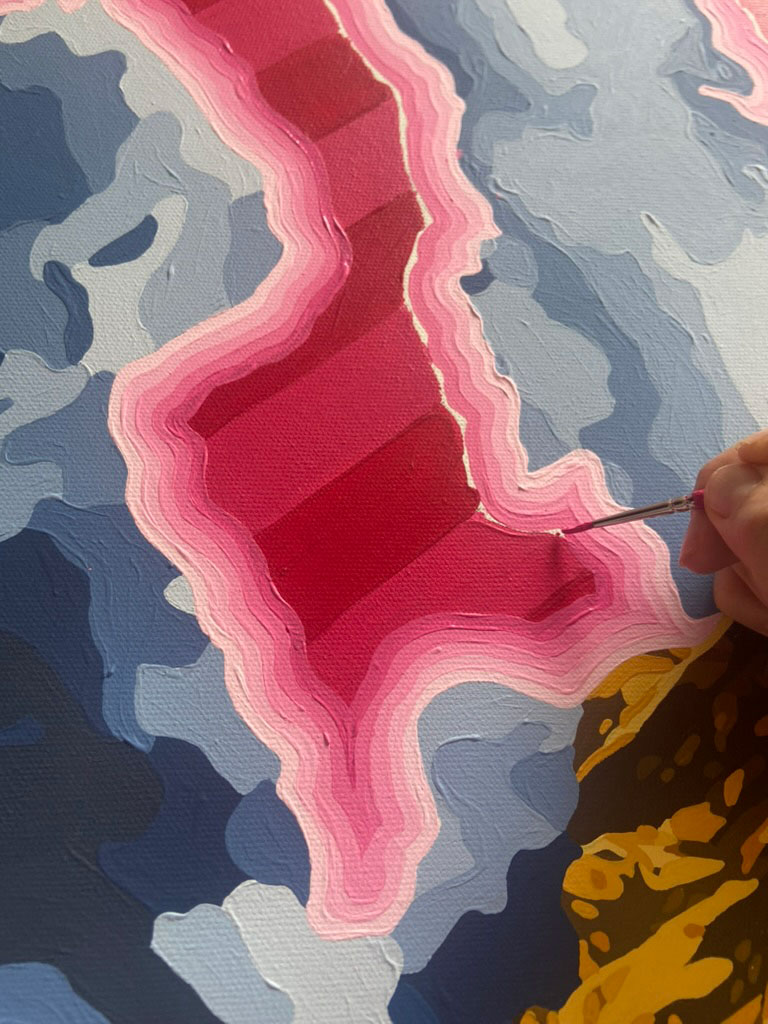
I emphasize this shift through the figure’s presence. The golden body emerges with renewed intensity, surrounded by a charged aura that pushes against the background rather than blending into it. I wanted the figure to feel active, almost restless, as if she were resisting containment. The color, contrast, and saturation are not ornamental choices—they are strategies to reactivate her energy and insist on her visibility.
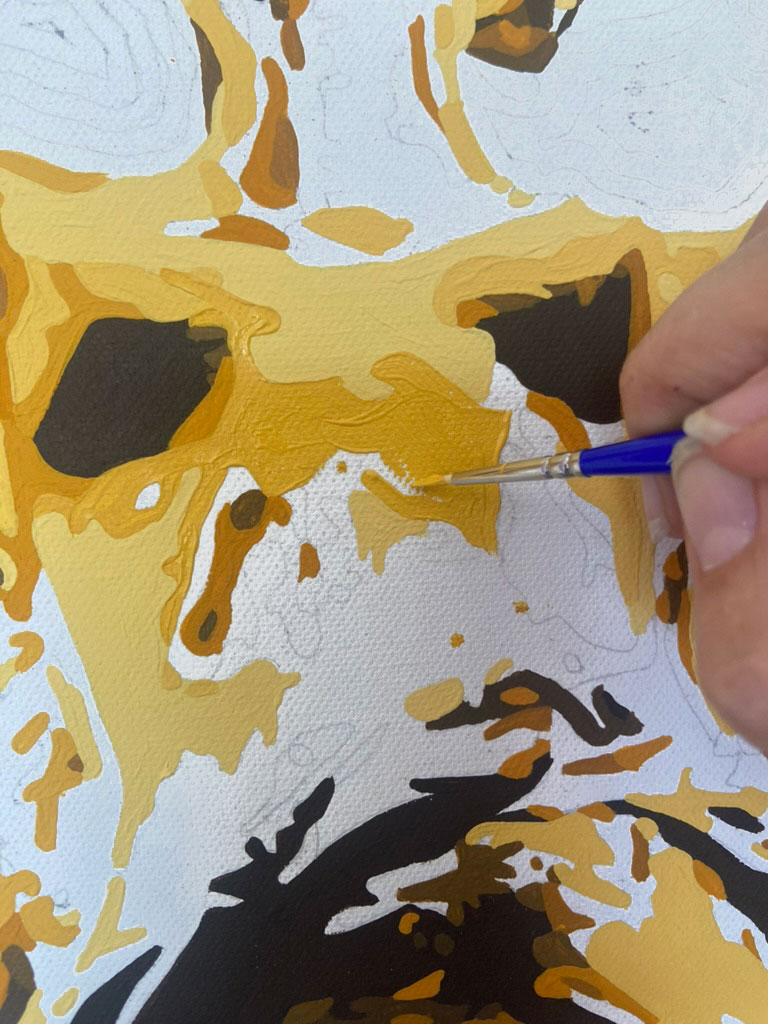
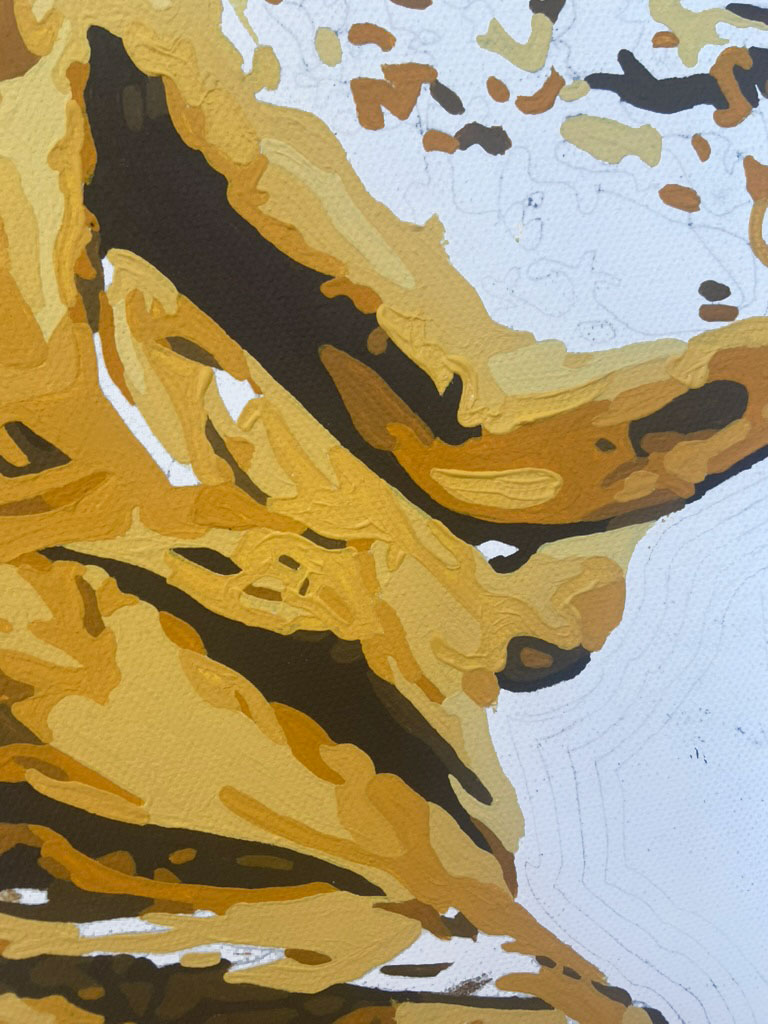
The phrase ¡No soy un Ángel, soy una Diosa! operates as both statement and confrontation. Angels are expected to protect, to serve, to remain elevated yet obedient. Goddesses, on the other hand, carry agency, history, and conflict. By invoking Nike, I reclaim a feminine figure associated with victory, struggle, and movement—qualities that have often been erased or softened when women are represented in public space.
This work is also about language. Naming is never neutral. To rename the figure is to shift meaning, to destabilize what has been normalized, and to open space for other readings. In this sense, the piece functions as a semantic displacement: from passivity to action, from metaphor to power, from symbolic decoration to political presence.
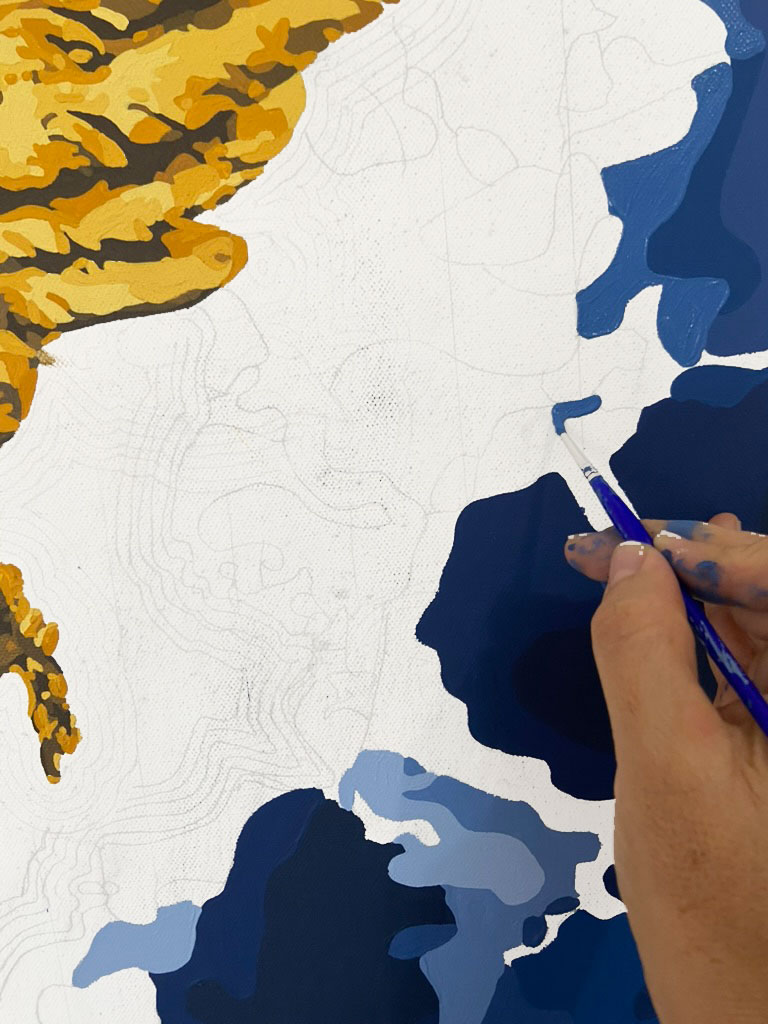
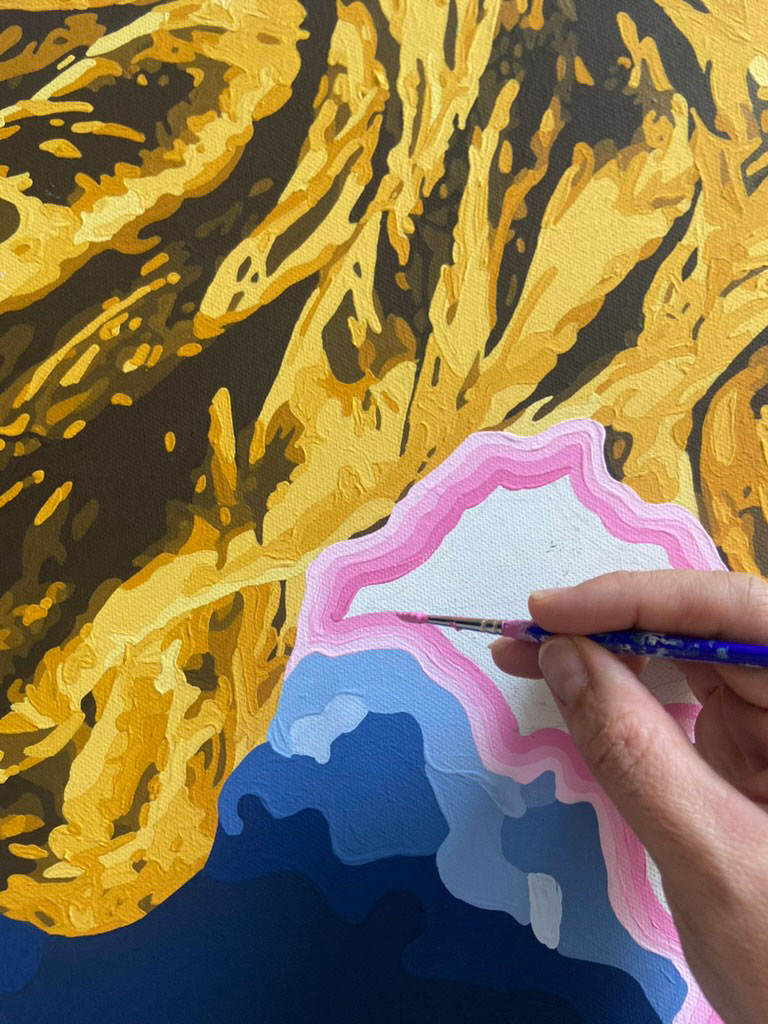
By appropriating a monument tied to national identity, I inevitably question who history chooses to monumentalize and how. Whose victories are celebrated, and whose strength is transformed into allegory? Restoring Nike’s identity becomes a way to reflect on autonomy, symbolic power, and the urgency for women to define themselves on their own terms—outside of softened metaphors and inherited narratives.
¡No soy un Ángel, soy una Diosa! moves beyond the monument itself to address the structures that continue to shape how femininity is framed, softened, and made acceptable. The work reflects on representation as a site of power—where meaning is negotiated, identities are inherited or contested, and visibility is never neutral. By insisting on a different reading of this figure, the piece opens space for questioning how history is constructed, who is allowed agency within it, and how symbolic images can be reclaimed as tools for resistance rather than decoration.
Women are not here to adorn history. We are here to name it, to question it, and to transform it – to reclaim the symbols that shaped us and insist on our presence as active, political, and unapologetic “.
Adriana Maar